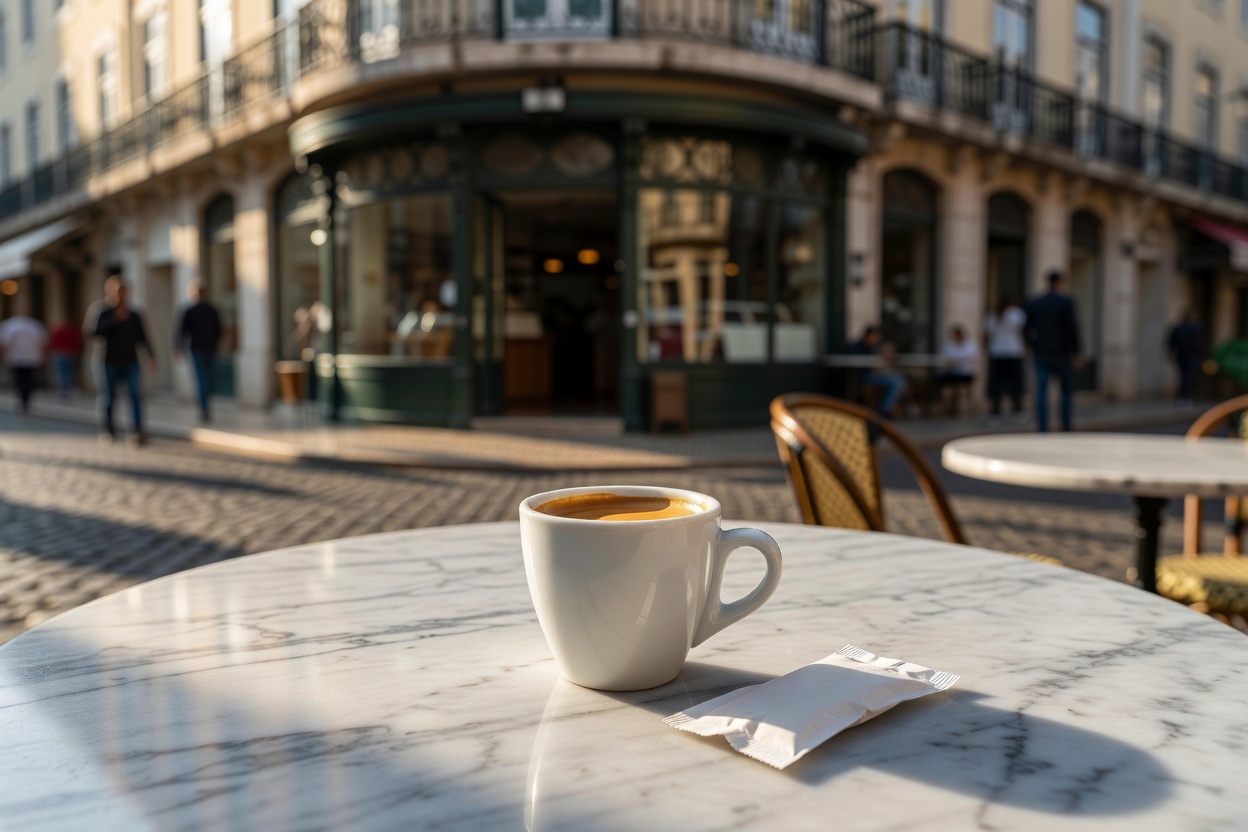
The Merchant Who Taught Lisbon to Drink Espresso
In November 1905, Adriano Telles, a former Portuguese emigrant to Brazil who had amassed agricultural capital in the state of Minas Gerais, returned to Lisbon with a commercial mission. At that time, refined Lisbon society drank leaf tea in private drawing rooms, while working-class taverns offered rough wine. Telles opened A Brasileira to distribute genuine Brazilian coffee beans.
To encourage customers unaccustomed to the bitter, concentrated punch of black coffee, Telles famously offered a free cup of hot brew to anyone purchasing a kilogram of bagged coffee. When sales of brewed cups commenced, the strong, thick liquid was served from early Italian pressure machines. Lisbon patrons, surprised by its sharpness, sparked the slogan: "Beba Isto Com Açúcar" (Drink this with sugar)—which legend identifies as the acronym for the word BICA, Portugal’s ubiquitous term for an espresso pulled from the spout.
Art Nouveau Craftsmanship & Pessoa’s Bronze Sentinel
In 1922, architect Manuel Joaquim Norte Júnior redesigned the façade and dining salon into an Art Nouveau masterpiece. The exterior features an elaborate carved timber frontage with decorative brass script, curved picture windows, and the iconic figure of an 18th-century Brazilian gentleman drinking coffee depicted in glazed tiles. Inside, beveled mirrors, brass coat hooks, carved Brazilian oak paneling, and crystal chandeliers transport guests to the belle époque.
On the esplanada outside sits the life-sized bronze statue of Fernando Pessoa, created in 1988 by sculptor Lagoa Henriques. Pessoa was a constant customer during the 1910s and 1920s, writing verses for literary journal Orpheu and discussing aesthetics alongside Almada Negreiros and Santa-Rita Pintor over endless cups of coffee and glasses of absinthe.
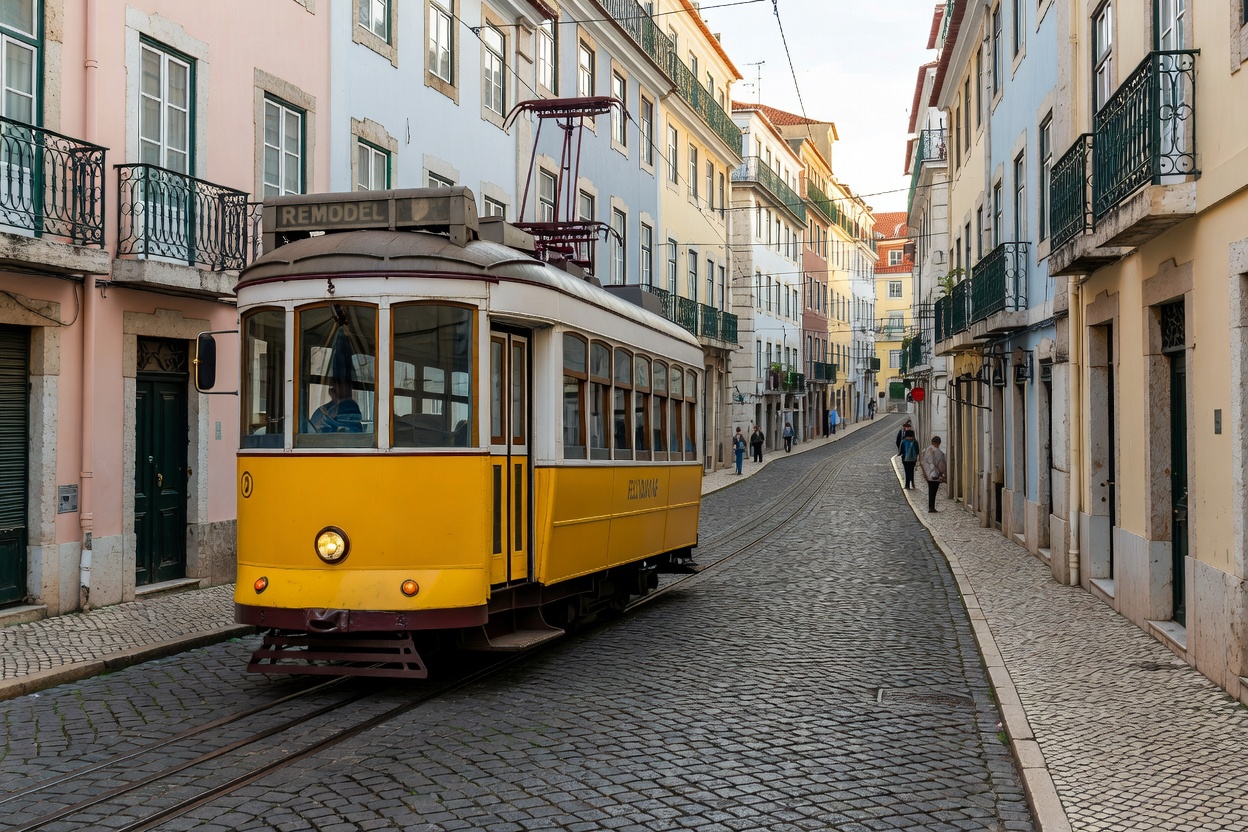
Counter Etiquette vs. Terrace Experience
A Brasileira embodies the classic Lisbon distinction between rapid bar consumption and leisurely table conversation. The marble counter inside remains one of Chiado’s best quick spots: step inside, ask the barista for uma bica e um pastel, consume the steaming shot standing upright, and pay directly. On the terrace outside on Rua Garrett, musicians perform fado and jazz as cosmopolitan crowds filter between Baixa and Bairro Alto.
| Dimension | Balcão (Interior Marble Bar) | Esplanada (Rua Garrett Terrace) |
|---|---|---|
| Speed & Pace | Fast-paced, 2 to 5 minutes duration | Relaxed, sit for 30–60 minutes |
| Price Bracket | Standard localized city rate for espresso | Terrace premium for Chiado street atmosphere |
| Atmosphere | Art Nouveau woodwork, clinking cups, barista action | Street buskers, Pessoa statue, Chiado shoppers |
| Best Time | Morning commuter rush (08:00–10:00) | Late afternoon golden light (16:30–18:30) |
Critical Appraisal: Pros and Considerations
Because of its international fame, A Brasileira is frequently bustling with travelers. However, the preservation of its interior woodwork, original modernist paintings on the rear mezzanine, and dedicated coffee blending make it an essential stop for any student of European café history.
- Pros: Unsurpassed cultural history; exceptional Art Nouveau woodwork and mirrors; central location directly beside Baixa-Chiado metro station.
- Cons: Terrace seating carries elevated tourist pricing; street performers can occasionally make quiet reading difficult.
- Recommendation: Step inside rather than sitting only on the patio. Spend five minutes examining the paintings behind the counter before ordering your espresso.