The Monastic Origins of the Secret Recipe
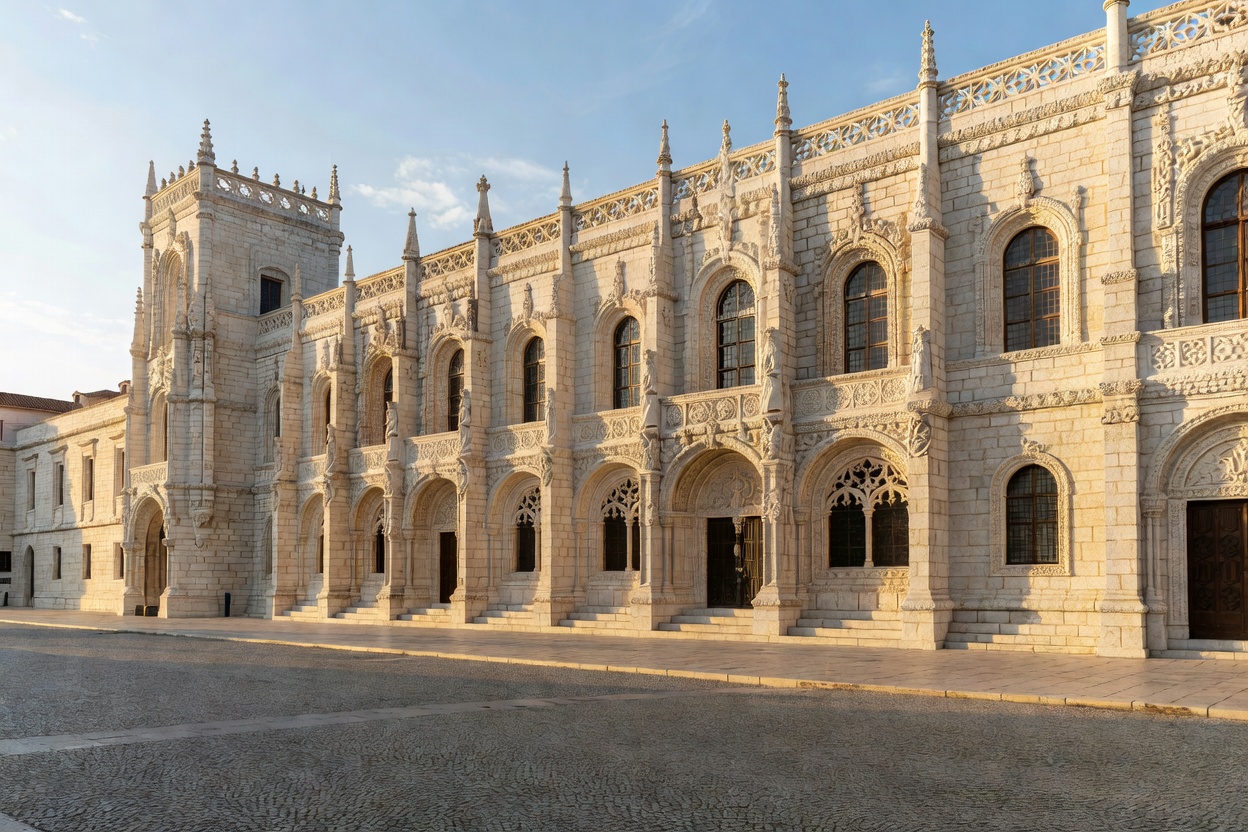
In the early 19th century, following the 1820 Liberal Revolution, Portugal's religious orders faced imminent secularization. By 1834, all monasteries and convents were shut down by state decree, expelling clergy and monastic staff. To survive, an enterprising lay monk from the neighboring Mosteiro dos Jerónimos partnered with the owner of a small sugar-cane refining shop adjacent to the riverfront docks to produce sweet pastries using leftover egg yolks.
In medieval monastic tradition, massive quantities of egg whites were used for starching nuns' habits, fining wine, and clarifying stocks. The surplus yolks sparked Portugal’s renowned doçaria conventual (conventual confectionery). By 1837, the bakery began commercial sales under the name Antiga Confeitaria de Belém. The original formulation has remained unchanged for nearly two centuries, held under sworn secrecy in the famed Oficina do Segredo (Secret Workshop). Only the master pastry chefs possess the precise ratios of sugar syrup, cream, flour, and baking temperatures.
Architectural Splendor: Azul e Branco Azulejos
While the streetfront queue often stretches around the corner toward the tram stop, the interior of Pastéis de Belém encompasses several interconnected dining salons capable of seating over 400 guests. The walls are covered in magnificent 17th- and 18th-century tin-glazed azulejos featuring hunting scenes, mythological vignettes, and floral motifs. High ceilings, dark timber chair rails, and brass display cabinets preserve a rare nineteenth-century ambiance.
Peering through the glass-walled observation hallway leading to the innermost salon, visitors can observe the production line: hundreds of small tin molds hand-lined with spiraled dough, filled with liquid custard from gleaming copper kettles, and ferried into blast ovens firing at temperatures approaching 400 degrees Celsius.
What to Order & Flavor Profile Analysis
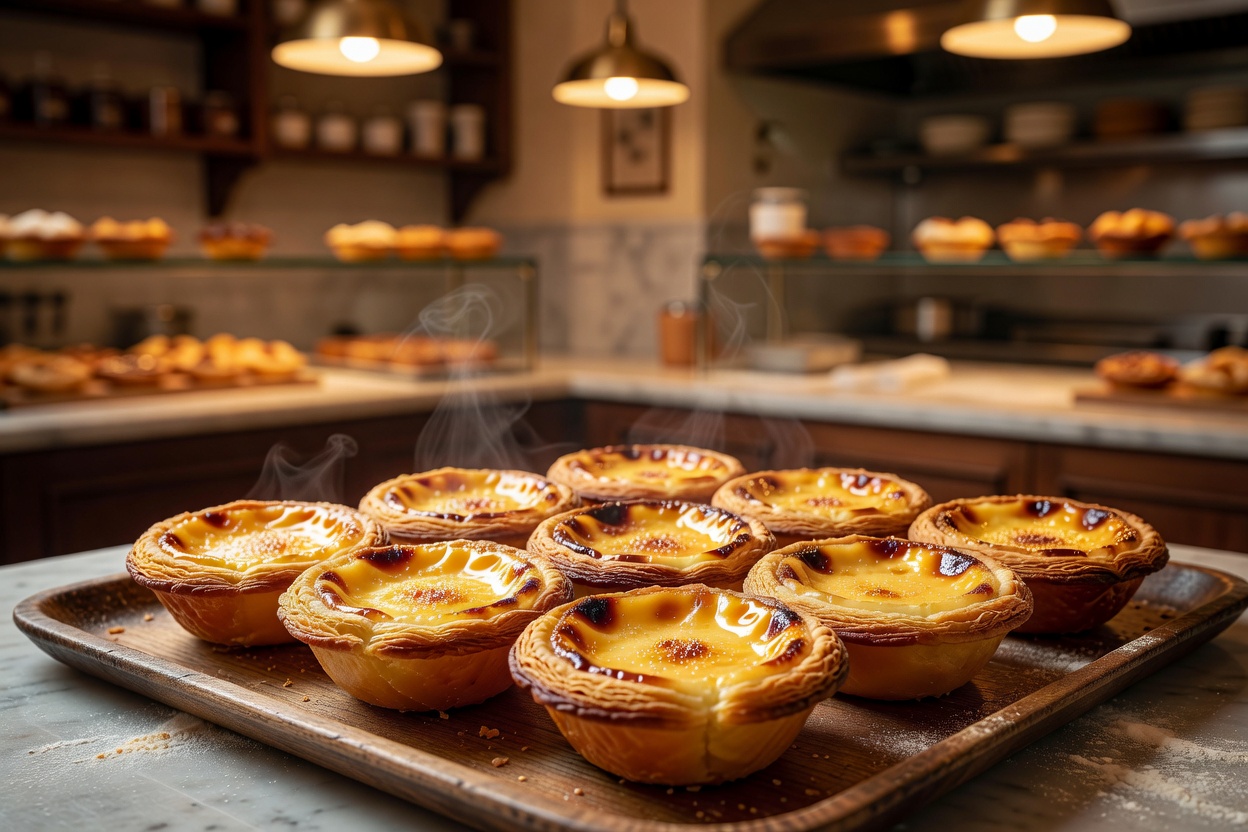
A true Belém pastry differs significantly from general pastéis de nata found elsewhere in the city. The crust is noticeably crispier, featuring ultra-thin, almost salty layers that flake into crystalline shards upon pressure. The custard is lighter in texture, with a subtle floral lemon undertone and less overt sweetness than modern commercial counterparts.
| Component | Pastéis de Belém Characteristic | Standard Commercial Nata |
|---|---|---|
| Pastry Crust | Paper-thin spiral laminations, distinctly savory crunch | Thicker, prone to softening if held in humid counters |
| Custard Filling | Silky, lightly set, distinct lemon-zest balance | Denser, heavily thickened with starch, sweeter profile |
| Top Caramelization | Subtle amber scorch marks from uniform blast heat | Often uneven browning or over-scorched sugar tops |
| Serving Temperature | Served warm within minutes of leaving ovens | Varies widely; often served at ambient room temperature |
Visiting Strategies & Practical Information
Visitors encountering the long street line outside the entrance often do not realize that the queue is strictly for takeout (balcão / para levar). If you wish to sit down, enter through the right-hand doorway and proceed directly through the corridors into the dining halls. Table turnover is swift, and table service allows you to savor your pastries alongside freshly brewed coffee without standing on the sidewalk.
- Pros: Peerless historical atmosphere; pastry served directly from hot ovens; ample indoor seating away from street sun.
- Cons: Extremely high tourist density between 11:00 and 16:00; tram transit from central Lisbon can become crowded.
- Recommended Order: Two pastéis warm, accompanied by a bica (single espresso) or galão (milky coffee in tall glass), dusted lightly with fresh ground canela.