The 18th-Century Boteco and Bocage’s Satire
In the late eighteenth century, an Italian immigrant named Nicola Van Zeller founded a modest boteco (tavern-café) on the Rossio. At that time, Praça Dom Pedro IV was the beating civic center of Lisbon, recovering from the catastrophic 1755 earthquake under the urban grid engineered by the Marquis of Pombal. The café quickly became the favored haunt of politicians, journalists, and intellectuals eager to debate Enlightenment ideals and the French Revolution.
Foremost among its patrons was Manuel Maria Barbosa du Bocage (1765–1805), Portugal’s great neoclassical and pre-romantic poet. Famous for his sharp improvisational sonnets and biting satire against royal authority and church orthodoxy, Bocage used Café Nicola as his de facto office. Legend tells that police spies from the Intendant of Police sat at adjacent tables attempting to transcribe his impromptu verses before Bocage could evade arrest through the rear alleys of Mouraria.
The 1935 Art Deco Transformation
The present physical form of Café Nicola dates to 1935, when architect Raúl Tojal orchestrated a comprehensive Art Deco renovation. Tojal replaced the weathered 19th-century finishes with sleek polished granite, geometric wrought-iron window grates, and bold block typography that still commands the corner today.
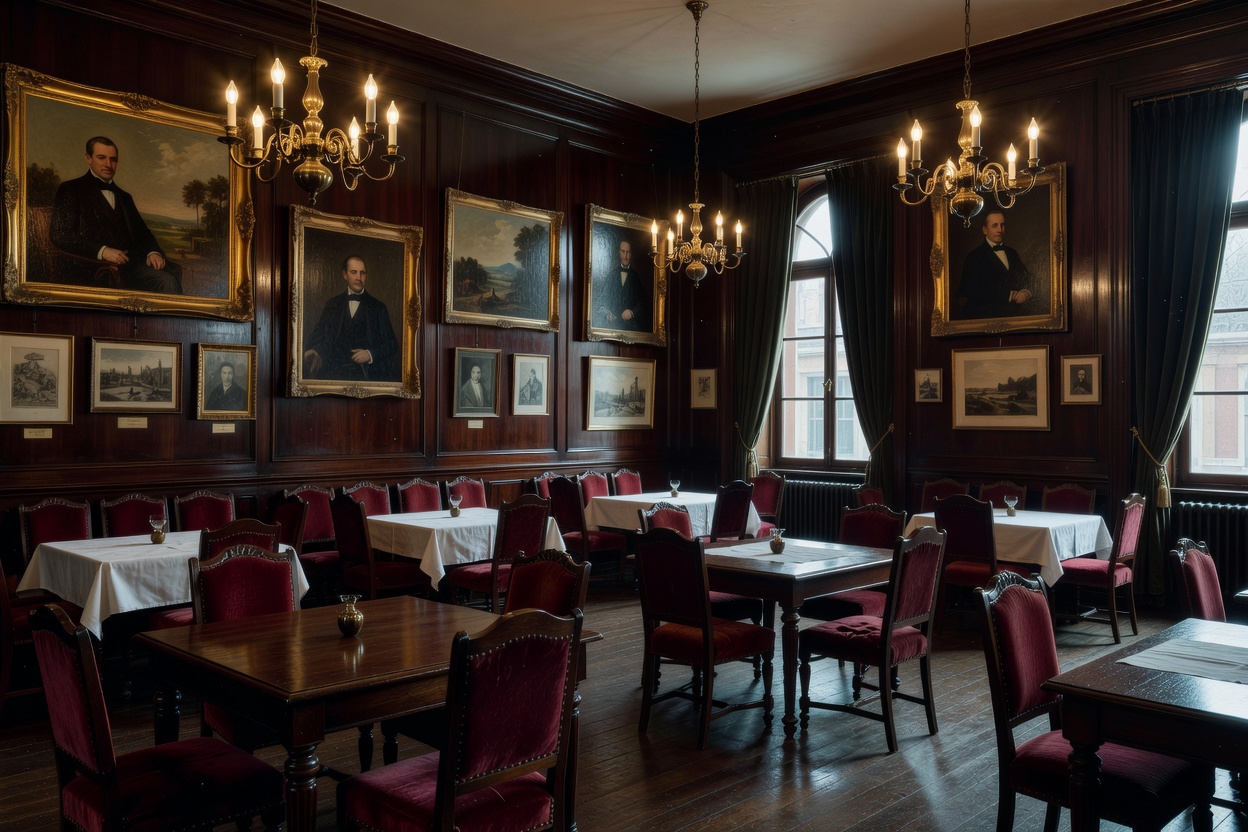
Inside the high-ceilinged salon, painter Fernando Santos was commissioned to execute a series of dramatic oil-on-canvas murals along the upper frieze. Each mural depicts a critical chapter in the life of poet Bocage: reading his poetry to rapt listeners, facing down military officers, and brooding over tragic romances. These expressive paintings, preserved under warm directional lighting, make the dining room feel like a museum dedicated to Enlightenment literary rebellion.
The Nicola Roast & The Rossio Terrace
Café Nicola also gave its name to one of Portugal’s premier commercial coffee roasting brands (Café Nicola), which grew from this single location into a nationwide distributor. The blend served here leans toward traditional Portuguese preferences: a robust combination of Brazilian Arabica and African Robusta beans, creating a deep crema layer, low acidity, and notes of toasted walnut and dark chocolate.
| Roast Parameter | Café Nicola Profile | Contemporary Specialty Roast |
|---|---|---|
| Bean Composition | Classic Arabica/Robusta blend (balanced crema) | Predominantly 100% single-origin Arabica |
| Roast Degree | Medium-Dark roast with low floral acidity | Light-to-medium roast emphasizing origin citrus |
| Crema Body | Dense, hazelnut-toned, long-lasting foam | Lighter, finer bubble structure |
| Food Pairing | Pastéis de nata, toasted pão com manteiga | Unsweetened filter brews and artisan sourdough |
Visitor Assessment: Pros and Recommendations
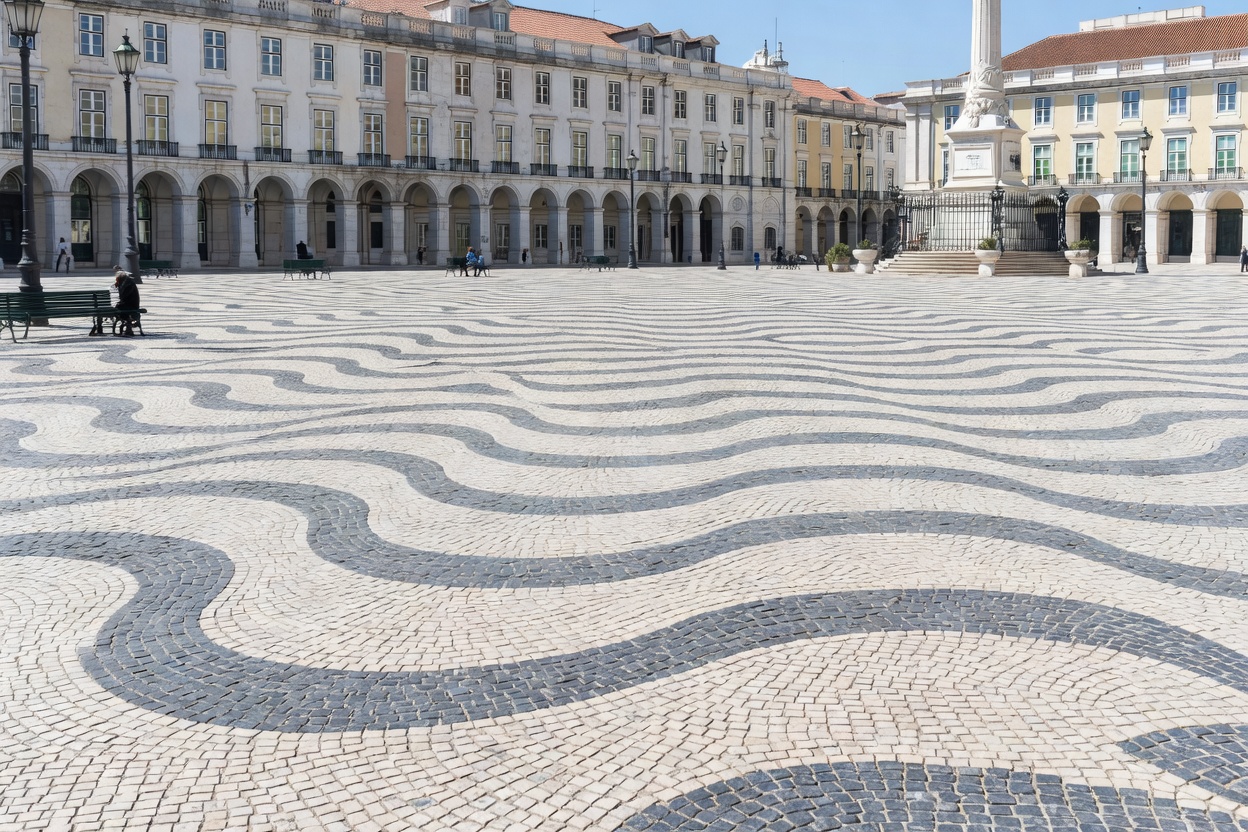
Sitting on the outdoor esplanada of Café Nicola offers one of the greatest urban theater experiences in southern Europe. The undulating black-and-white stone waves of the Rossio calçada spread out before you toward the National Theatre D. Maria II, with the medieval Castelo de São Jorge visible on the eastern ridge above.
- Pros: Unrivaled vantage point on Rossio; spectacular 1930s Art Deco façade and Bocage oil murals; historical depth dating to the late 1700s.
- Cons: Highly popular central tourist zone; terrace dining is priced for visitors rather than daily workers.
- How to Experience: Order a Nicola bica inside at the bar first to view the Fernando Santos canvases up close, then take a seat outside on the Rossio terrace for an hour of people-watching.